
Advanced Endoscopy Services
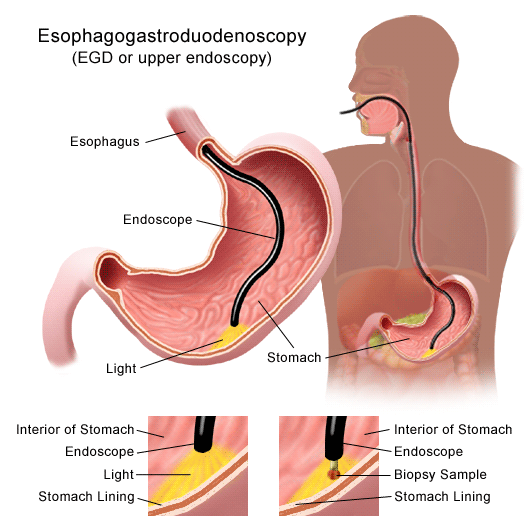
An endoscope is a long, thin fiber optic tube with a small camera at the end, that is passed into your body directly to observe an internal organ or tissue in detail through a natural opening such as your mouth. It can also be used to carry out other tasks like biopsy samples & minor surgery.
During an Upper Gastric Endoscopy (OGD), an endoscope is easily passed through the mouth and throat and into the esophagus, allowing the doctor to view the esophagus, stomach, and upper part of the small intestine. Alternatively, keyhole/laparoscopic procedures use endoscopes through small incisions to assist in surgery.
UPPER GASTROINTESTINAL TRACT
Gastroscopy (Upper Endoscopy / OGD)
Common Uses:
- Investigate symptoms: Heartburn, nausea, vomiting, abdominal pain, difficulty swallowing, and bleeding.
- Diagnose: Collecting tissue samples (biopsy) to test for anemia, inflammation, or cancers.
- Treat: Widening a narrow esophagus, removing polyps, or stopping internal bleeding.
Clinical Risks:
Endoscopy is highly safe. Extremely rare complications (<1%) include minor bleeding (especially post-biopsy), infection (typically treatable with antibiotics), or very rarely a tear in the tract.
Symptoms to Watch For (Post-Op)
Contact us immediately if you experience:
- Fever or severe abdominal pain
- Chest pain or shortness of breath
- Bloody, black, or very dark stool
- Difficulty swallowing or persistent vomiting (coffee-ground appearance)
How to Prepare
- Fast: Stop eating solid food for 8 hours and liquids for 4 hours before.
- Medications: Mention all blood thinners or diabetes medications for specific guidance.
- Recovery Plan: Arrange for someone to drive you home as sedation impairs memory and judgment for 24 hours.
The Procedure Workflow
During the Procedure (15-30 Min)
- Vital monitoring (breathing, BP, heart rate)
- Administration of sedative & throat numbing spray
- Insertion of endoscope via mouth/guards
- Identicfication of pathologies via high-res video monitor
- Gentle air pressure used for ease of examination
After the Endoscopy (OGD)
- Quiet recovery area stay (approx. 1 hour)
- Monitoring as sedative wears off
- Temporary bloating, gas, or sore throat (Normal)
- Results discussion (or biopsy lead times if samples taken)
Why Choose Us
Dedicated Specialist Team
Multidisciplinary care from surgeons, nutritionists, and psychologists.
Private Specialized Wing
Exclusive, private recovery suites for bariatric patients.
Lifelong Support
Continuous monitoring to ensure sustainable results and health.
Safe & Proven Methods
Utilizing the latest bariatric surgical and non-surgical technologies.
Book Your Free Consultation
Pick a date and time that works for you. Our specialist will confirm and guide you on the right path to a healthier life.
Still have questions? We're here.
-
Call / WhatsApp +254 789 822 222
-
Email Us info@nairobiweightloss.com
-
WhatsApp Chat with us now
-
Working Hours Mon – Sat: 8:00 AM – 6:00 PM
Why book with us?